
Mold-Damaged Drywall
Safe Mold-Damaged Drywall Removal and Replacement in Hamilton
We open the wall safely, remove every affected section, track down the moisture source, and rebuild with clean, properly finished drywall.
Mold Damage Goes Deeper Than the Surface
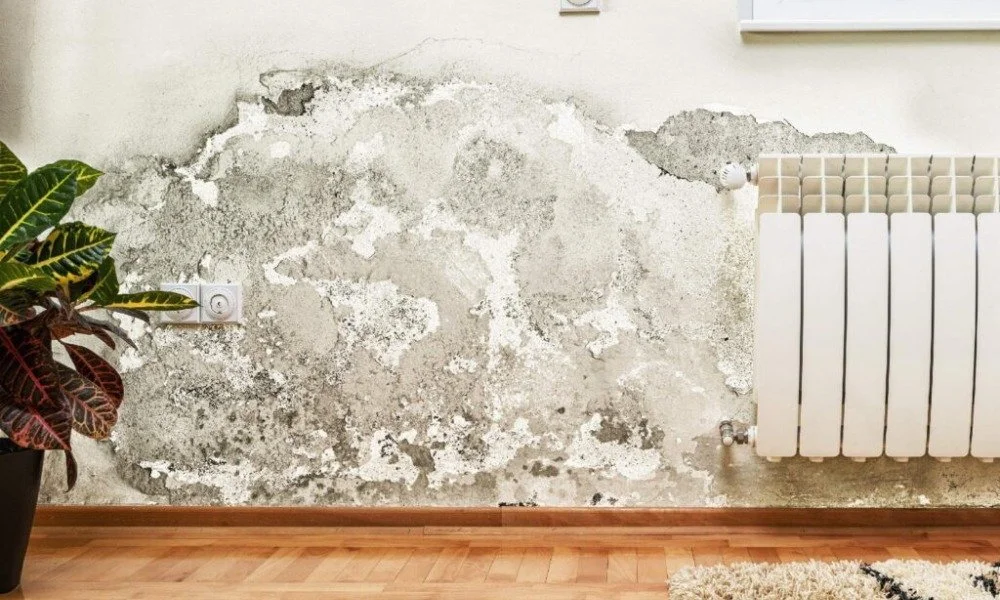
Mold on drywall works like an iceberg. The grey or black spots you can see are usually the smallest part of the problem, with the rest spreading across the paper facing, through the gypsum core and into the framing behind it.
Wiping it off or painting over it might hide the issue for a few months, but that’s all it does. The Home Upgraders offers mold-damaged drywall restoration in Hamilton that goes beyond the surface.
We open the wall safely, remove every affected section, track down the moisture source that caused the mold to grow, and rebuild with clean, properly finished drywall — whether it’s a small patch behind a bathroom sink or an entire basement wall — so it stays clean for years to come.
Expert Mold Drywall Repair With Full Containment in Hamilton
Cutting into mouldy drywall without proper precautions can spread spores into clean rooms, which is why every job starts with containment. Plastic sheeting seals off the work area, nearby furniture and floors are covered, and doorways are closed off to keep dust contained.
Our technicians then carefully remove drywall well beyond the visible mold, bag it on site, and take it away from your home. Exposed framing and studs are cleaned, dried and checked, and any damaged wood is replaced.
New drywall only goes in once the cavity is clean and dry, so your family and your home stay protected from start to finish.
Trusted Bathroom and Basement Mold Wall Restoration in Hamilton
Some rooms are simply harder on drywall than others. Bathrooms deal with daily steam, laundry rooms and kitchens face moisture from appliances and plumbing, and basements sit against cooler foundation walls that invite condensation.
In these areas, rebuilding with standard drywall often leads to the same problem down the road. On our rebuilds, we recommend moisture- and mould-resistant drywall for humid rooms, cement board behind tile in showers, and a vapour barrier where needed on basement walls.
Seams are taped and finished, then primed and painted with mildew-resistant paint for extra protection. The result is a wall built for the room it’s in, not just a repeat of the one that failed.
Why Mold Grows Behind and Inside Drywall
Mold requires three ingredients to develop: moisture, warmth and a food source. Mold feeds on the cellulose from the paper on both sides of drywall. Throw in a slow leak in the plumbing, a house that has been flooded but not thoroughly dried, or warm indoor air condensing on cold outside walls, and growth can start in one or two days.
Wall cavities do not see daylight, receive little ventilation and retain moisture much longer than open spaces. This is why mold in Hamilton homes can be found behind furniture pushed up against an outside wall, under windows, around tubs and showers, and on the lower part of basement walls, sometimes long before staining begins to show on the painted surface.
Clean or Replace: What Moldy Drywall Needs
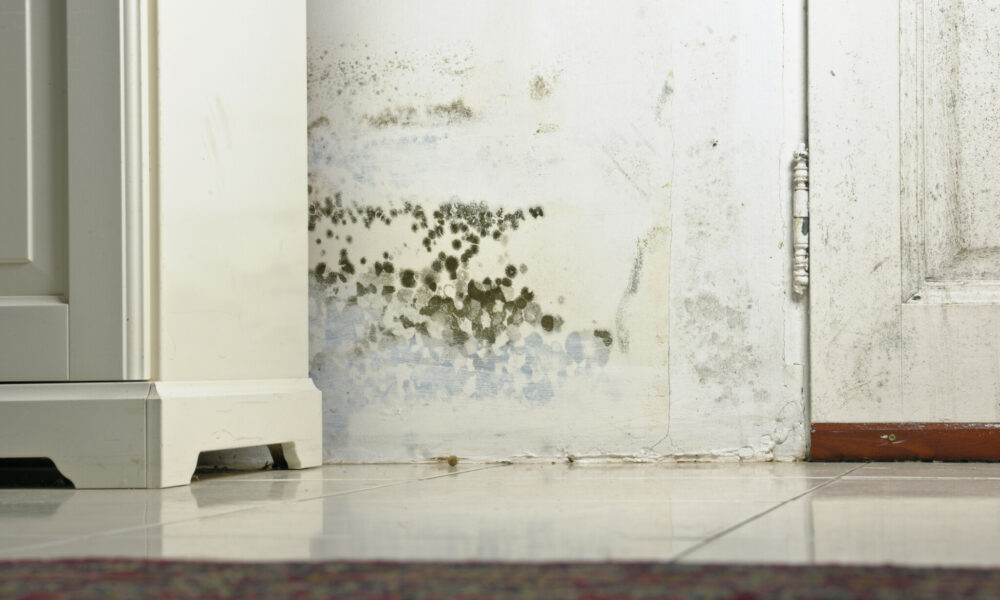
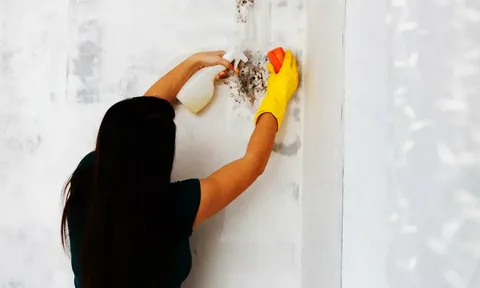
People often simply spray bleach on the moldy drywall and think they’re done. Bleach can help make the stain lighter, but drywall is porous and the water in the bleach can seep in and help the growth under the surface. The same applies to store-bought mold spray, as it only treats the surface and the mold is still present in the paper and core.
Sometimes, light surface mildew on a well-sealed, painted wall in good condition can be cleaned with detergent and water and then dried. However, mold on paper can cause the board to become soft, and if the mold returns after attempting to clean it, the affected drywall must be removed. In most water-related cases, replacement is the safer and longer-lasting choice for your home.
Is Mold-Damaged Drywall a Health Risk?
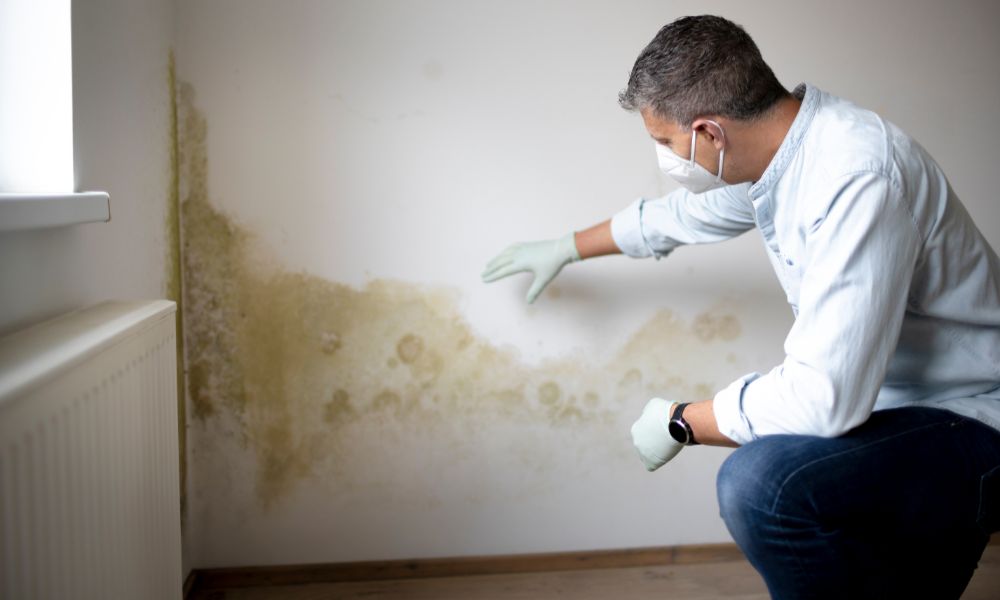
When mold resides within your walls, it can have more impact than the room’s appearance. Health Canada states that indoor mold can irritate eyes, nose and throat, lead to coughing, and can exacerbate asthma and allergy symptoms. Children, older adults and individuals with weakened immune systems or breathing disorders are typically the most sensitive.
If you have a persistent musty odor, symptoms that go away once you leave the house or recurrent condensation on the walls and windows, you should consider having your walls tested. Health Canada also recommends that big or persistent mould issues be addressed by trained experts, not the homeowner. If there are any medical concerns in your home, consult your family doctor until the problem is resolved.
How to Keep Mold From Returning
Unless the conditions that caused the mold are corrected as well, new drywall will not remain clean. The relative humidity of the indoor air should be maintained at approximately 30-50 percent, which you can monitor with a hygrometer from any hardware store. Use bathroom fans when showering and for 20 minutes or more afterwards, and use kitchen range hoods that vent to the outside.
A dehumidifier in the basement during humid summer months makes a big difference. Fix all drips and slow leaks promptly, keep eavestroughs and downspouts clear of the foundation, and leave some space between furniture and exterior walls for air circulation. A few times a month, inspect for hidden moisture to prevent it from turning into another expensive repair.
Key Benefits
Key Benefits of Professional Mold Drywall Replacement
A Fresher, Healthier Home
Replacing contaminated drywall instead of covering it up removes the odours and airborne spores behind that musty feeling, so your whole home can feel fresher to breathe in.
Fixed at the Source
We find and fix the moisture source before rebuilding, so you’re far less likely to be redoing the same section of wall a year or two later.
Protected Home Value
Buyers and home inspectors check carefully for mold. Walls that are properly removed and rebuilt protect your home’s value and avoid uncomfortable questions at sale time.
Honest Recommendations
When surface mildew can simply be cleaned instead of cut out, we’ll tell you. You only pay for removal and replacement when your wall genuinely needs it.
Get a Straight Answer About That Spot
That dark patch might be mold, a water stain, or simply dirt, and you should not have to guess. Take a picture, send it to thehomeupgraders@gmail.com or call 647-371-1937 and we will tell you what you are seeing.
If it is mold, we will explain the safest method to remove it. We serve homeowners across Hamilton, Oakville, Burlington, Markham and Vaughan.